Necessary Tips for Effective Roofing System Upkeep From Leading Roof Covering Specialists
Keeping a roof covering is vital for the long life of a home. Leading roofing experts emphasize the value of routine inspections to capture concerns early. In addition, proper maintenance methods can protect against costly repair work down the line. Home owners frequently overlook simple jobs that add to a roofing system's health and wellness. Understanding these essential pointers can make a significant difference. Nonetheless, many may question what particular techniques are most effective.
Normal Examinations: Secret to Very Early Issue Detection
Many house owners may overlook their roofs, regular assessments play an important function in recognizing possible issues before they intensify into costly repair work. A comprehensive exam can disclose indicators of wear, such as missing tiles, splits, or rusted flashing. These seemingly minor issues can bring about significant leaks, architectural damages, or mold and mildew development if left unaddressed.
Professionals advise performing assessments at the very least twice a year, ideally in the springtime and loss. This proactive approach permits homeowners to capture issues early, making sure the durability of the roofing. In addition, after serious climate occasions, such as tornados or hefty snowfall, an assessment is crucial to analyze any type of resulting damage. Normal evaluations not just boost the roofing's life-span however also supply satisfaction, recognizing that the home is well-protected. By prioritizing this aspect of maintenance, house owners can prevent unexpected expenditures and keep the integrity of their residential or commercial property.
Keep Gutters and Downspouts Clear
Routine maintenance of downspouts and rain gutters is crucial for protecting against water damage to a home. Stopped up rain gutters can lead to overruning water, which might harm the home siding, roof, and foundation. To maintain peak function, property owners must consistently evaluate and clean seamless gutters, especially throughout fall when leaves and particles accumulate.
Utilizing a durable ladder, individuals need to get rid of any kind of obstructions, assuring that water flows easily with the system. It is suggested to examine downspouts for obstructions also; a blocked downspout can create water to support and overflow.
Furthermore, homeowners should verify that seamless gutters are safely connected and properly sloped to route water toward downspouts. Setting up gutter guards can also help reduce debris buildup and reduce maintenance frequency. By keeping gutters and downspouts clear, home owners can shield their residential or commercial property from expensive water damages and expand the life-span of their roof system.
Trim Overhanging Branches
To ensure the longevity of a roof covering, homeowners should focus on cutting looming branches that pose a risk to their roofing system. Branches can cause considerable damages via various means, including direct call throughout storms or heavy winds, which may cause scratches or leaks in roofing products. Additionally, overhanging branches can help with the development of moss and algae, as they provide color and moisture retention, jeopardizing the roof's integrity.
Frequently examining the distance between tree limbs and the roofing is vital. Home owners need to intend to keep a risk-free clearance of a minimum of six feet to lessen prospective dangers. Utilizing professional tree services can guarantee appropriate and safe trimming, preventing unexpected damages to the home. By proactively handling tree development, property owners can safeguard their roofs, enhancing their life-span and lowering future maintenance costs. Finally, regular branch trimming is an essential element of reliable roofing system maintenance.
Look for Signs of Damage
Inspecting a roof covering for indicators of damage is crucial for maintaining its structural stability and longevity (Roofing Company). Property owners need to carry out visual checks at least two times a year, concentrating on common signs of problems. Missing, broken, or crinkled roof shingles can signify wear and tear, while staining may indicate water damages or leaks. Additionally, house owners need to examine flashing around smokeshafts, vents, and skylights for corrosion or gaps, as these locations are susceptible to leaks
Downspouts and rain gutters ought to be free from debris, as blockages can lead to water merging and succeeding roof covering damages. Interior assessments are additionally essential; water stains on walls or ceilings may recommend roofing leaks. Furthermore, mold development in attic rooms can indicate prolonged dampness exposure. By consistently looking for these indicators of damages, homeowners can attend to problems early, protecting against pricey repair services and ensuring the roof continues to be in prime problem.
Keep Appropriate Ventilation
Appropriate ventilation is vital for preserving a healthy roof covering and extending its lifespan. Ample air flow prevents wetness build-up, which can bring about mold and mildew and structural damages. In addition, readjusting air flow according to the seasons can enhance energy performance and convenience within the home.
Importance of Airflow
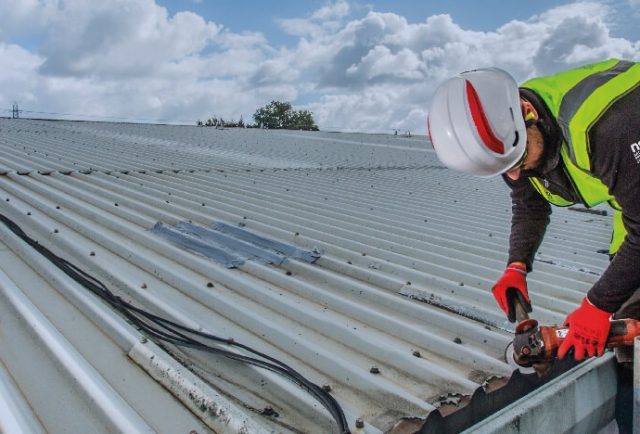
While lots of property owners may overlook the significance of air flow, keeping correct air flow is essential for the longevity of a roofing. Adequate air movement assists control temperature level within the attic, avoiding warm accumulation that can harm roof materials. This law also adds to power effectiveness, reducing the need for extreme air conditioning during hot months. Furthermore, correct air flow helps in distributing air evenly, decreasing the risk of wear my link and tear on roofing elements. Professionals recommend installing vents strategically to promote a continual circulation of air, which aids in keeping an optimal setting. As a result, homeowners need to focus on airflow when performing roofing upkeep, making sure that their roofings continue to be undamaged and useful for years to come.
Preventing Moisture Accumulation
Preserving ample air flow not just regulates temperature level however also plays an essential role in protecting against dampness build-up within the attic room. Appropriate ventilation permits the continuous circulation of air, which assists to get rid of excess moisture that can accumulate from various resources, including day-to-day tasks and seasonal adjustments. Without appropriate airflow, wetness can cause mold and mildew growth, wood rot, and damages to insulation, jeopardizing the structural integrity of the roofing system. Setting up vents, such as soffit and ridge vents, can boost air circulation, making sure that damp air is expelled while fresh air is pulled in. Routinely checking and cleaning these vents is crucial to preserving their performance, therefore safeguarding the roof covering and extending its life-span.
Seasonal Ventilation Modifications
Seasonal changes substantially affect the ventilation demands of a roofing. In warmer months, raised temperature levels can trap heat in the attic room, causing potential damage and greater energy costs. Ample ventilation enables warm to run away, promoting a cooler indoor atmosphere. On the other hand, during cooler months, proper air flow protects against moisture buildup from snow and ice, which can cause mold and architectural problems. Roofing professionals recommend adjusting air flow systems seasonally, consisting of using ridge vents and soffit vents for peak air movement. Routine evaluations must assure that any type of blockages, such as particles or insulation, are gotten rid of. By maintaining proper air flow throughout the year, home owners can safeguard their roofs and boost energy performance.
Clean Your Roof Covering Surface
Cleaning up the roof covering surface area is crucial for protecting its integrity and expanding its life-span. A clean roof covering not just enhances the home's aesthetic charm yet likewise protects against the build-up of moss, debris, and algae, which can contribute to wear and tear. Normal cleansing assists to eliminate pollutants that may trap wetness, resulting in potential leaks and architectural damage.
Homeowners ought to consider using a soft-bristle brush or a stress washer with a low setting to gently get rid of dirt and growths from the roofing. It is important to stay clear of rough chemicals that can damage roof covering products. Furthermore, safety and security preventative measures need to be taken; making use of a durable ladder and using appropriate gear is important to avoid crashes.
Schedule Professional Repairs and examinations
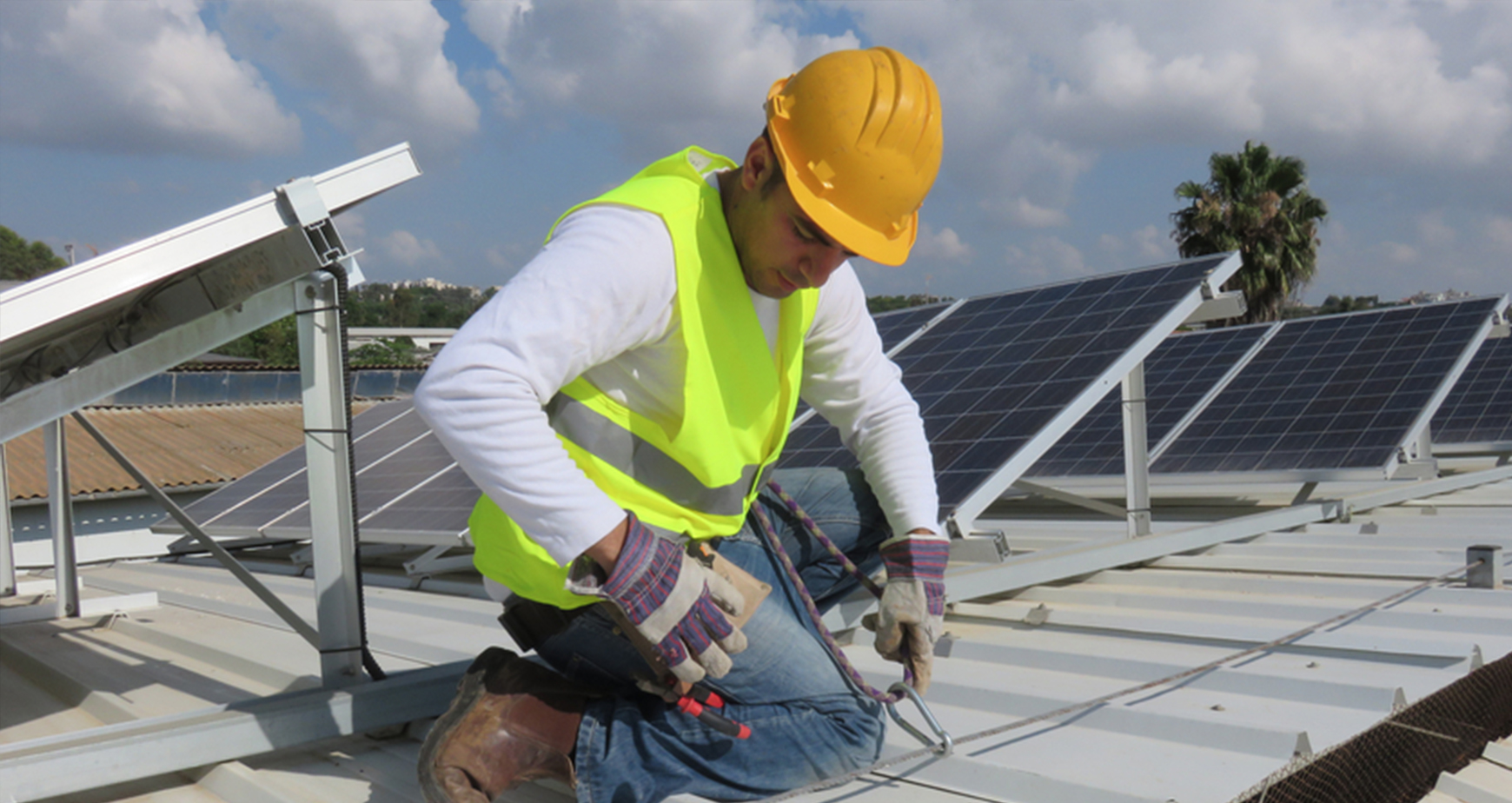
Normal roofing maintenance includes greater than just maintaining the surface site link clean; it also calls for expert maintenances to guarantee additional hints long-lasting durability. Involving a certified roofing professional for routine assessments is crucial, as they can determine potential concerns that may go unnoticed by the inexperienced eye. These specialists possess the experience to examine the roofing's problem, looking for signs of wear, damage, or leaks that can rise right into pricey repair services if left unaddressed.
Arranging these evaluations at least twice a year, ideally in springtime and fall, helps validate that any needed repair services are done promptly. Furthermore, a specialist can suggest safety nets to expand the roof covering's lifespan. House owners ought to focus on these evaluations as part of their total maintenance method, recognizing that timely treatments can safeguard their investment and boost their home's worth. Inevitably, positive care through professional solutions is key to attaining a resilient and reliable roof.
Often Asked Concerns
How Often Should I Replace My Roofing?
The frequency of roof covering replacement depends on materials and ecological aspects. Generally, asphalt roof shingles last 20-30 years, while steel roofing systems might sustain 40-70 years. Regular inspections help determine the appropriate timing for substitute.
What Are the most effective Materials for Roofing?
The most effective materials for roofing consist of asphalt shingles, ceramic tile, metal, and slate. Each product supplies unique advantages, such as longevity, aesthetic appeals, and power performance, enabling home owners to pick according to their particular requirements and choices.
Can I Do My Own Roofing System Repairs?
The question of carrying out one's very own roofing system repair services usually emerges (Roof Maintenance). While some individuals might possess the skills, it is usually a good idea to consult professionals to assure safety and proper adherence to building ordinance and criteria
How Do Weather Affect Roofing Maintenance?
Weather considerably affect roofing system maintenance. Severe temperatures, heavy rains, and snow build-up can trigger damages, while routine examinations throughout moderate weather condition assurance prompt repair services, maintaining the roof's stability and prolonging its life expectancy successfully.
What Is the Ordinary Life Expectancy of a Roofing system?
The typical lifespan of a roofing system varies substantially based on products and ecological elements. Normally, asphalt shingles last around 15 to three decades, while metal roofing systems can endure 40 to 70 years with correct maintenance and care.
Numerous home owners may ignore their roofs, regular evaluations play an important role in recognizing prospective concerns before they rise into pricey repair work. To guarantee the long life of a roof covering, homeowners should focus on cutting overhanging branches that present a risk to their roof system. By proactively managing tree development, property owners can shield their roof coverings, improving their life expectancy and reducing future maintenance expenses. Checking a roofing system for signs of damages is essential for keeping its structural stability and durability. While several home owners might forget the importance of air movement, preserving correct ventilation is important for the durability of a roofing.
Comments on “The step-by-step Roof Replacement process explained”